
Polyaspartic Floor Coatings
in Madisonville, KY
A durable, fast-curing coating option for garages, commercial spaces, and more.
Your Concrete Floor Shouldn't Be the Weak Point of Your Space
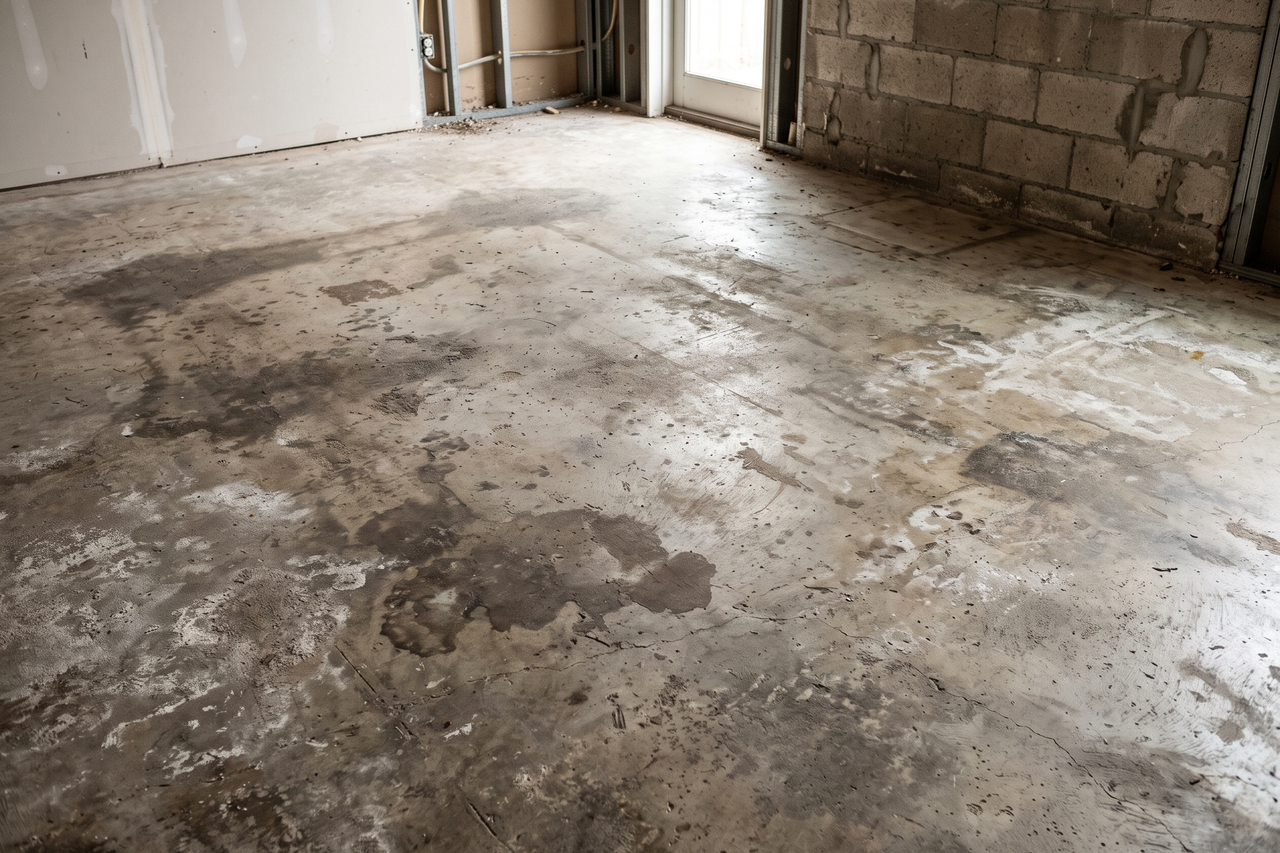
Bare or worn concrete is more than a cosmetic problem. A surface that absorbs spills, raises dust with every step, and shows visible cracking sends a message that’s hard to ignore — whether it’s a garage, a commercial showroom, or a sun-exposed area that takes daily use.
Concrete left uncoated over time picks up stains that resist cleaning, and its surface porosity makes maintenance more difficult than it needs to be. In spaces where appearance, hygiene, or surface durability matter, the gap between bare concrete and a properly coated floor becomes clear over time.
Different coating systems address these issues in different ways, and whether polyaspartic is the right choice for your space depends on how the floor is used, the condition of the concrete, and what a contractor’s evaluation reveals.
The Right Floor Coating Starts With How You Use the Space
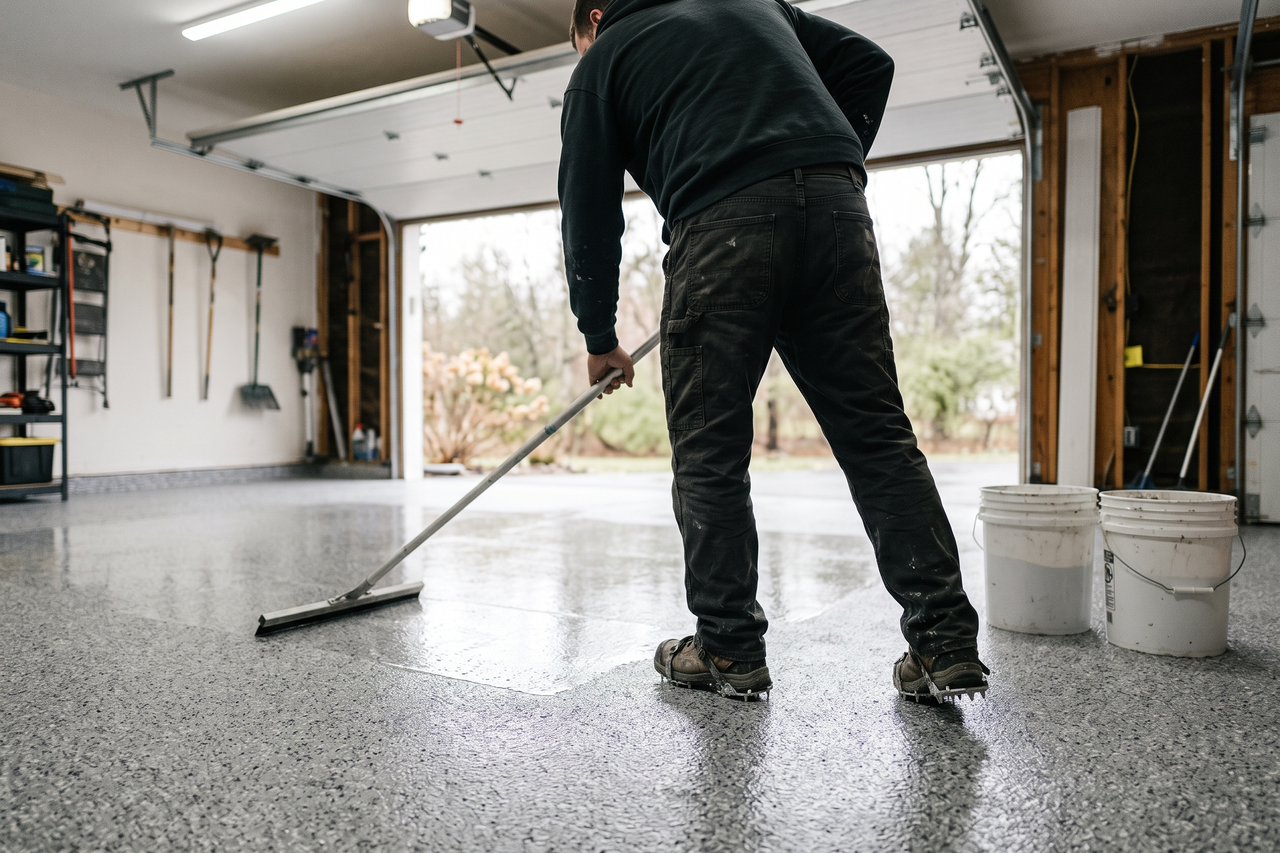
Polyaspartic coatings have developed a strong reputation in the industry for durability and for generally curing faster than many traditional epoxy systems. Whether that characteristic is a meaningful advantage for your specific project depends on the scope of the job, the floor size, and how the contractor structures the application.
UV stability is one reason polyaspartic coatings are sometimes considered for sun-exposed concrete — such as spaces with large windows, garages that receive direct sunlight, or, where appropriate for the system and substrate selected, certain outdoor applications. That said, outdoor suitability depends on the specific product, the substrate condition, and the installer’s assessment. Not every polyaspartic system is suitable for every outdoor setting, and the contractor evaluates those factors as part of the project.
We connect you with a flooring contractor who can review your space and concrete condition, and help determine whether a polyaspartic system is a strong match for your goals. If you want a side-by-side look at how polyaspartic compares to traditional epoxy before talking with a contractor, our comparison guide covers the key differences.
A Better Floor Is Easier Than You Think
Three steps describe how the process works when you connect with a contractor through us.
01
Tell Us About Your Space
Share the floor’s size, condition, and how you plan to use the coated surface so we can connect you with an appropriate contractor.
02
Choose the Right System
The contractor assesses the concrete, discusses your goals, and recommends a coating system — polyaspartic, epoxy, or another product — based on what your space actually requires.
03
Transform Your Floor
After proper surface preparation and application, the installer explains the expected cure process and any steps to follow before the floor goes back into regular use.
Ready for a Floor Built to Perform?
Polyaspartic coatings can be a strong option for spaces where durability, UV resistance, and surface performance matter. If you’ve been putting off addressing a worn or bare concrete floor, getting an evaluation is a practical first step.
We’ll work to connect you with an independent flooring contractor who can review the project and, if it’s a fit, prepare a customized estimate.
A Great Coating Can't Make Up for Poor Preparation
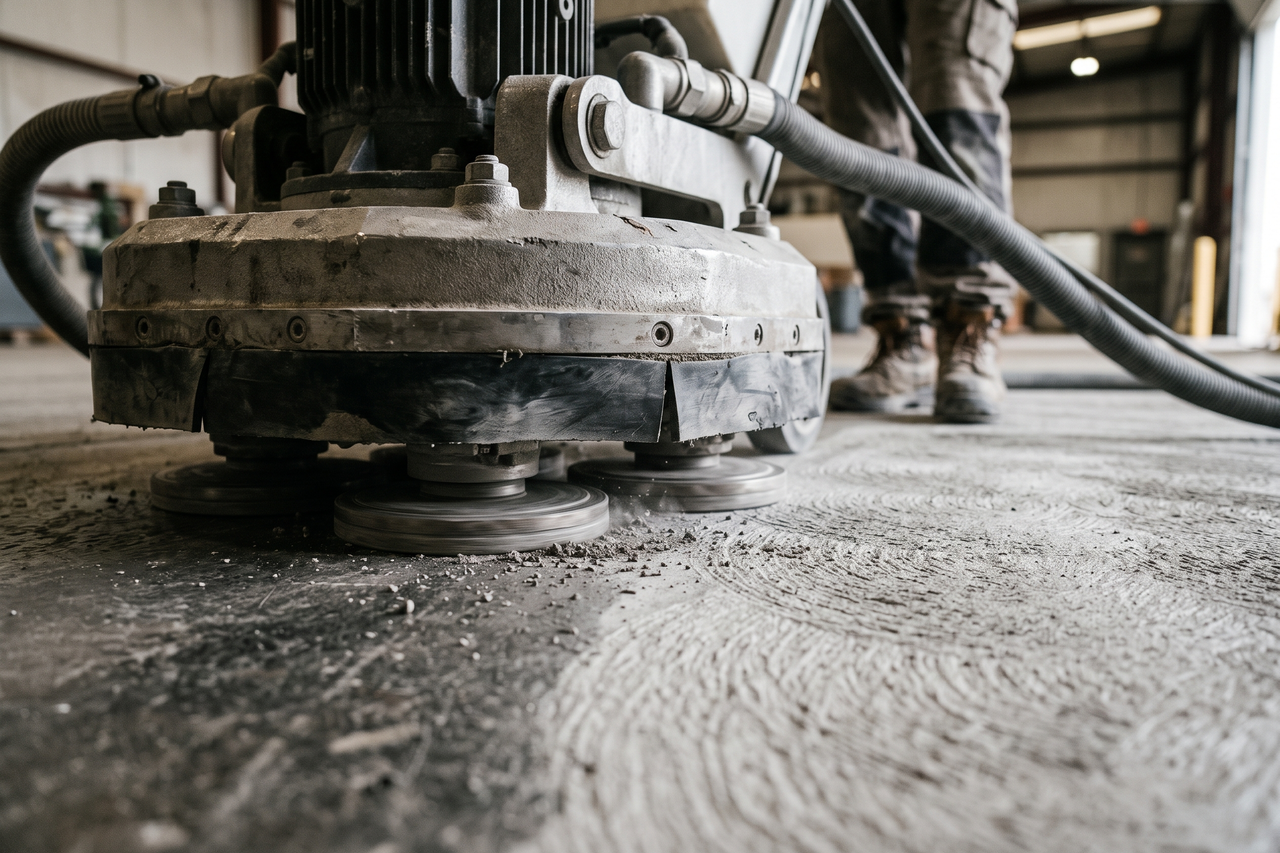
Even a high-quality polyaspartic product performs only as well as the surface it’s applied to. Concrete that has not been properly ground, repaired, and tested for moisture gives the coating a weak foundation. Inadequate preparation is often part of what causes coatings to fail — alongside coating selection and the conditions present during installation.
Adhesion depends on surface profile, cleanliness, and moisture levels. A contractor who shortcuts or skips concrete preparation may produce a coating that fails prematurely. Asking about the preparation process and what it specifically involves for your floor is a reasonable part of any estimate conversation.
The contractor determines the appropriate preparation method based on what the concrete looks like and what the selected system requires. That evaluation step exists precisely because no two floors are the same.
A Floor That Looks Better and Works Harder
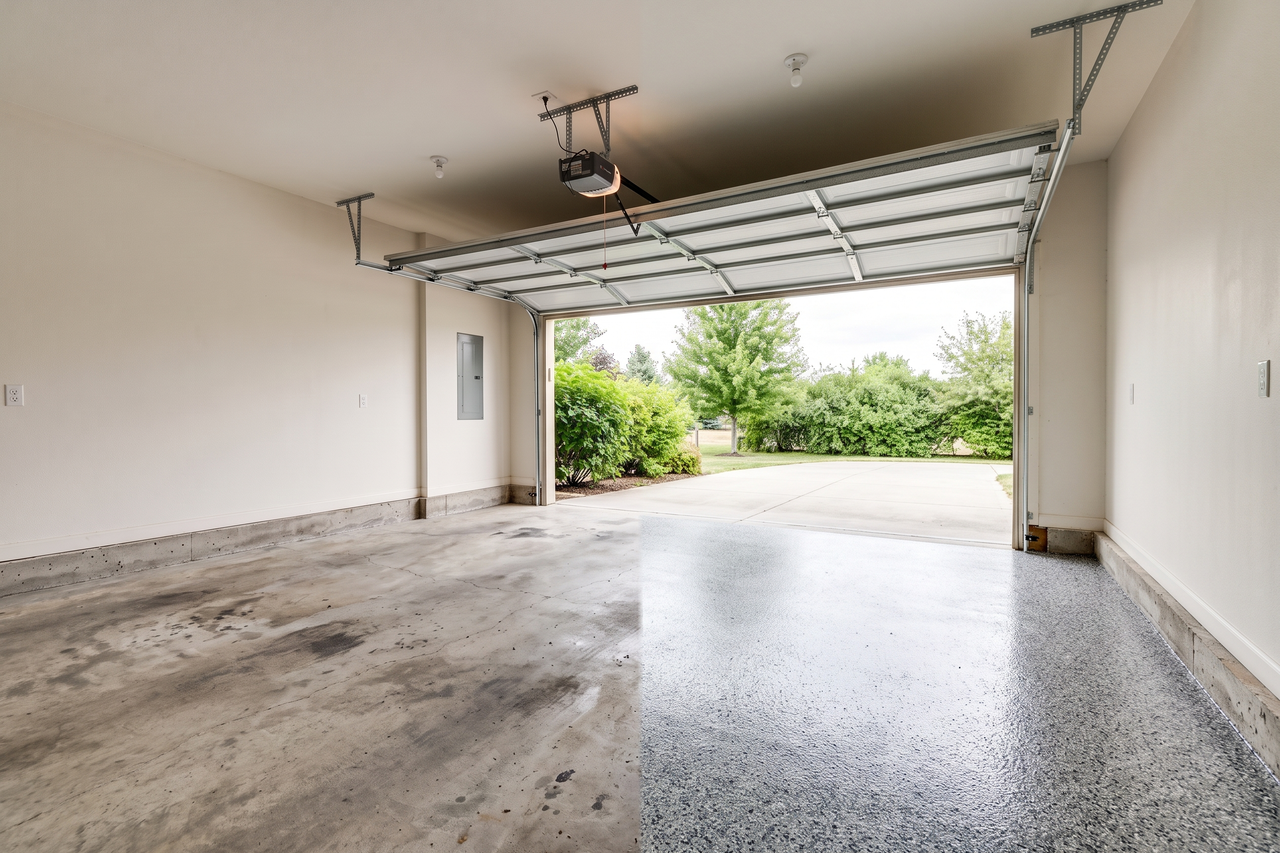
A properly coated floor changes how a space feels and functions. Sealed concrete resists spills, supports easier cleaning routines, and holds up to the daily demands placed on it. For garages, commercial areas, and similar environments, a durable surface coating can shift the floor from a maintenance concern into something that simply works.
Polyaspartic coatings, when properly matched to the space and correctly installed, can deliver a surface that performs well under regular use. Results depend on the system selected, the quality of surface preparation, and the actual conditions of your floor — which is why the evaluation matters.
The before-and-after image below is illustrative — it shows what a well-executed coating project can look like, though every project is different and outcomes vary based on the specific system, preparation, and floor conditions involved.
What Do Polyaspartic Floor Coatings Cost?
Polyaspartic coating costs depend on several factors: the size of the area, the condition and porosity of the concrete, the amount of preparation required, and the specific product used. Preparation is often the most variable part of a coating project — concrete that needs grinding, crack repair, or moisture mitigation will affect the overall scope and what the project involves.
Because material and labor costs vary by project, a meaningful price range requires an actual site evaluation. For context on what drives coating project costs more broadly, our epoxy floor cost guide covers the main factors that influence what you’ll pay.
Common Questions About Polyaspartic Floor Coatings
What makes polyaspartic coatings different from standard epoxy?
Polyaspartic coatings are a type of aliphatic polyurea that generally cures faster than many traditional epoxy systems and tends to offer higher UV stability. That means the surface is less prone to color shift or yellowing from light exposure, compared to certain epoxy products. Whether those differences matter for your particular project depends on how and where you plan to use the floor, and what the contractor recommends after reviewing your space.
Can polyaspartic coatings be used outdoors?
Some polyaspartic products are formulated for outdoor or sun-exposed concrete, and UV stability is one reason they are sometimes considered for those applications. However, outdoor suitability depends on the specific product, the substrate condition, and the installer’s assessment. Not every polyaspartic system is appropriate for every outdoor setting, and the contractor evaluates those factors before recommending an approach.
How do I know if polyaspartic or epoxy is the right choice for my floor?
The right system depends on your floor’s size and condition, how you plan to use the coated surface, and the characteristics of each product. Our guide at the link below covers the key differences in depth. A contractor can also help you work through the decision after reviewing your concrete and understanding your goals.
Learn more: epoxy vs. polyaspartic flooring
Does polyaspartic coating require concrete preparation?
Yes — proper concrete preparation is required for any coating system, including polyaspartic. The contractor grinds the surface to create an adequate profile, tests for moisture, and addresses cracks or defects before applying the coating. Preparation quality is one of the most significant factors in whether any coating system performs as expected over time.
What if my concrete has cracks or damage before coating?
Existing cracks and surface defects are typically evaluated and addressed during the preparation phase. The contractor assesses what repairs are needed as part of the overall project review. Whether a floor with significant damage is a good candidate for coating — or whether a different approach makes more sense — is something the installer determines after examining the concrete directly.